Our Work · Safe Water
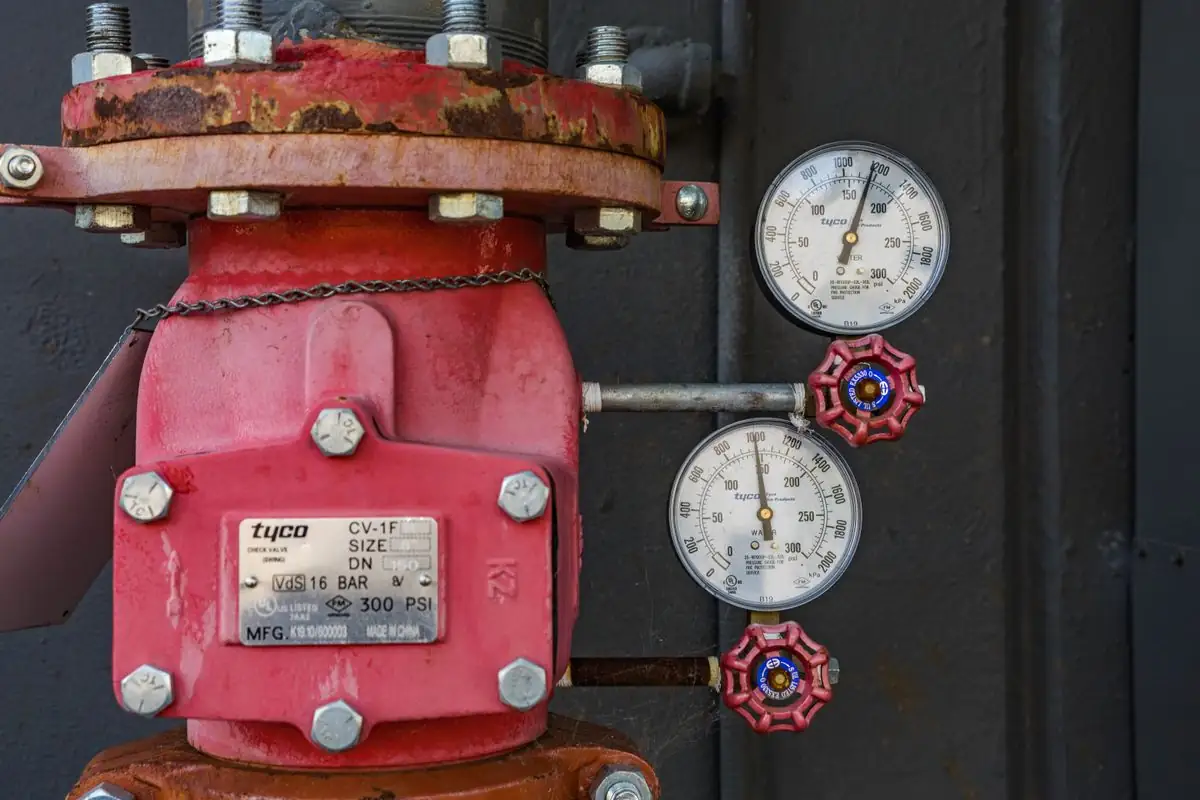
Backflow Prevention & Testing in Newmarket
Water is supposed to flow one way: from the main into your building. A backflow preventer makes sure it never reverses.
- Cartridges, stems and valves for the common brands on hand
- Shut-offs replaced if they seep or seize
- Traps and supplies swapped while the cabinet is open
- Full hot and cold test with dry joints at ten minutes
Cues for backflow prevention
- You are installing an in-ground irrigation system.
- Your building has a boiler, fire sprinklers or a commercial kitchen.
- You have received a notice from the Town asking for a device test or survey.
- A pool or hot tub is filled from a permanently connected hose line.
Homeowners rarely notice backflow until something goes wrong. It is a quiet risk, which is exactly why rules exist.
Fixture job sheet
- Tools on the truck
- Basin wrench, cartridge pullers, seat wrenches, P-trap kits, braided supplies
- Parts we swap
- Cartridges, O-rings, stems, aerators, shut-off valves, trap arms and slip nuts
- What we look under
- The cabinet floor for old stains, the shut-off for seepage, the trap for slow drips
- How we prove it
- Full hot and cold flow, a filled and drained basin, dry joints after ten minutes
What fails inside the pipe, and why
When pressure in the municipal main drops, for example during a watermain break or heavy firefighting draw, water in a building's pipes can be pulled backward. If a hose is lying in a pool, or a sprinkler system holds stagnant water, that water can be siphoned into the public supply. Newmarket, like other Ontario municipalities, has rules on backflow prevention for certain properties, and owners of those buildings may be required to have devices tested regularly by a qualified tester. Homes with lawn sprinklers in newer subdivisions such as Armitage are typical places where a device belongs.
On the job: tools, parts and steps
- Survey. We look at the connections inside the building and identify any cross-connection risk.
- Select the device. Lower-risk lines may need only a vacuum breaker or dual check valve. Higher-risk systems call for a reduced pressure zone assembly.
- Install. The device is placed where it can be reached for testing and protected from freezing.
- Test. Using a calibrated gauge, the tester confirms each check valve and relief opening works at the right pressures, then records the results for the owner and, where required, the municipality.
What decides how big the job gets
The device type, pipe size, how much rework is needed to place it correctly, and whether you are booking a one-off test or a recurring schedule all change the price. We give the figure before work begins.
Residential versus commercial
For most single-family homes, the question comes up around lawn sprinklers and heating boilers. Restaurants, plazas, dental offices and multi-unit buildings face stricter expectations, and their devices are usually larger and tested more formally. Whichever group you fall into, keep test reports in a safe place; they are often asked for at renewal or sale.
Shut it off and call, or book it?
If you have a notice with a deadline, call (365) 517-0623 sooner rather than later so the paperwork is filed on time. For new irrigation, plan the device into the installation rather than retrofitting. A sudden pressure drop can be related to other issues; our low water pressure primer walks through them. If a main drain is also giving trouble, ask about drain cleaning or a camera inspection on the same visit.
Asked on site
Does a typical house need a backflow device?
Most homes rely on built-in protection at fixtures. Irrigation systems, boilers and certain other connections usually need a dedicated device.
How often is testing needed?
Where the Town requires testing, it is commonly an annual obligation. Check any notice you received for the exact requirement.
Keep reading
- Slow and clogged drainsClogged and slow drains cleared with cable machines, then checked by camera when the clog keeps coming back.→
- Sewer scopingA recorded camera run of your lateral before you buy, renovate or argue with an insurer about a backup.→
- Why Your Water Pressure Is LowWhy Your Water Pressure Is Low: a plain-language homeowner guide from Newmarket Plumbing Co.→
- ArmitagePlumbing help for quiet crescents of 1980s homes in the Armitage area: drains, water heaters, leaks and sump pumps..→